
最新消息
2024.03.01
What Are the Common Challenges in the Container Loading and Unloading Process?
What Are the Common Challenges in the Container Loading and Unloading Process? What Should You Pay Attention To?
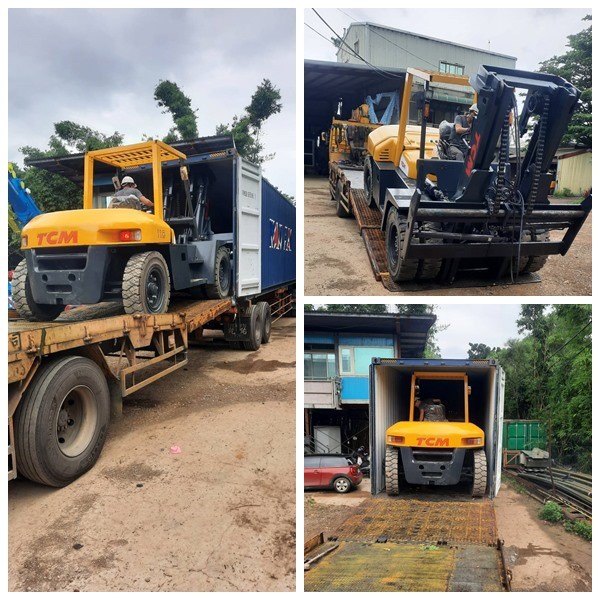
The container loading and unloading process involves multiple stages and participants. If not managed properly, it can easily lead to cargo damage, delays, safety incidents, and cost increases.
Below are some of the most common challenges and the key points you should pay attention to.
1. Cargo Damage
Challenge:
During loading and unloading, cargo may be damaged due to improper handling, incorrect stacking, or insufficient securing measures.
What to pay attention to:
Ensure operators receive professional training and follow standard operating procedures.
Use appropriate loading patterns, blocking, and lashing techniques to keep cargo stable during transport.
For fragile or high-value goods, apply additional protection such as corner protectors, anti-slip mats, or cushioning materials.
2. Delays in Loading and Unloading
Challenge:
Shortage of manpower, poor scheduling, or equipment breakdowns can result in loading and unloading delays, affecting vessel schedules and delivery times.
What to pay attention to:
Plan the loading and unloading workflow in advance, including time windows and resource allocation.
Conduct regular maintenance and inspections on forklifts, cranes, and other equipment.
Prepare contingency plans to handle peak periods or unexpected disruptions.
3. Safety Risks
Challenge:
Container operations involve heavy equipment and large volumes of cargo. Improper operation may lead to accidents such as collisions, falls, or crushing injuries.
What to pay attention to:
Strictly follow safety regulations and on-site operating procedures.
Ensure all personnel wear appropriate personal protective equipment (PPE).
Carry out regular safety inspections, drills, and training, especially for new staff or new equipment.
4. Poor Space Utilization
Challenge:
Without a proper loading plan, the internal space of the container cannot be fully utilized, resulting in higher transport costs per unit of cargo.
What to pay attention to:
Use professional loading planning tools or software to design the loading layout in advance.
Consider weight distribution, stacking patterns, and cargo characteristics to balance safety and space efficiency.
Review past loading records to continuously optimize loading strategies for recurring shipment types.
5. Documentation and Regulatory Compliance
Challenge:
Container transport involves various documents and customs or regulatory requirements. Any errors, omissions, or inconsistencies may cause delays, additional inspections, or even penalties.
What to pay attention to:
Prepare and double-check shipping documents, packing lists, invoices, and customs declarations.
Ensure that all cargo and containers comply with relevant local and international regulations.
Use a digital document management system where possible to reduce manual errors and improve traceability.
By designing the container loading and unloading process in advance, training your team, and making good use of suitable equipment and digital tools, you can significantly reduce operational risk, improve efficiency, and enhance overall logistics performance.
Related Topics & Further Reading