
最新消息
2024.03.01
What Is the Container Loading and Unloading Process?
What Is the Container Loading and Unloading Process? How to Improve Its Efficiency?
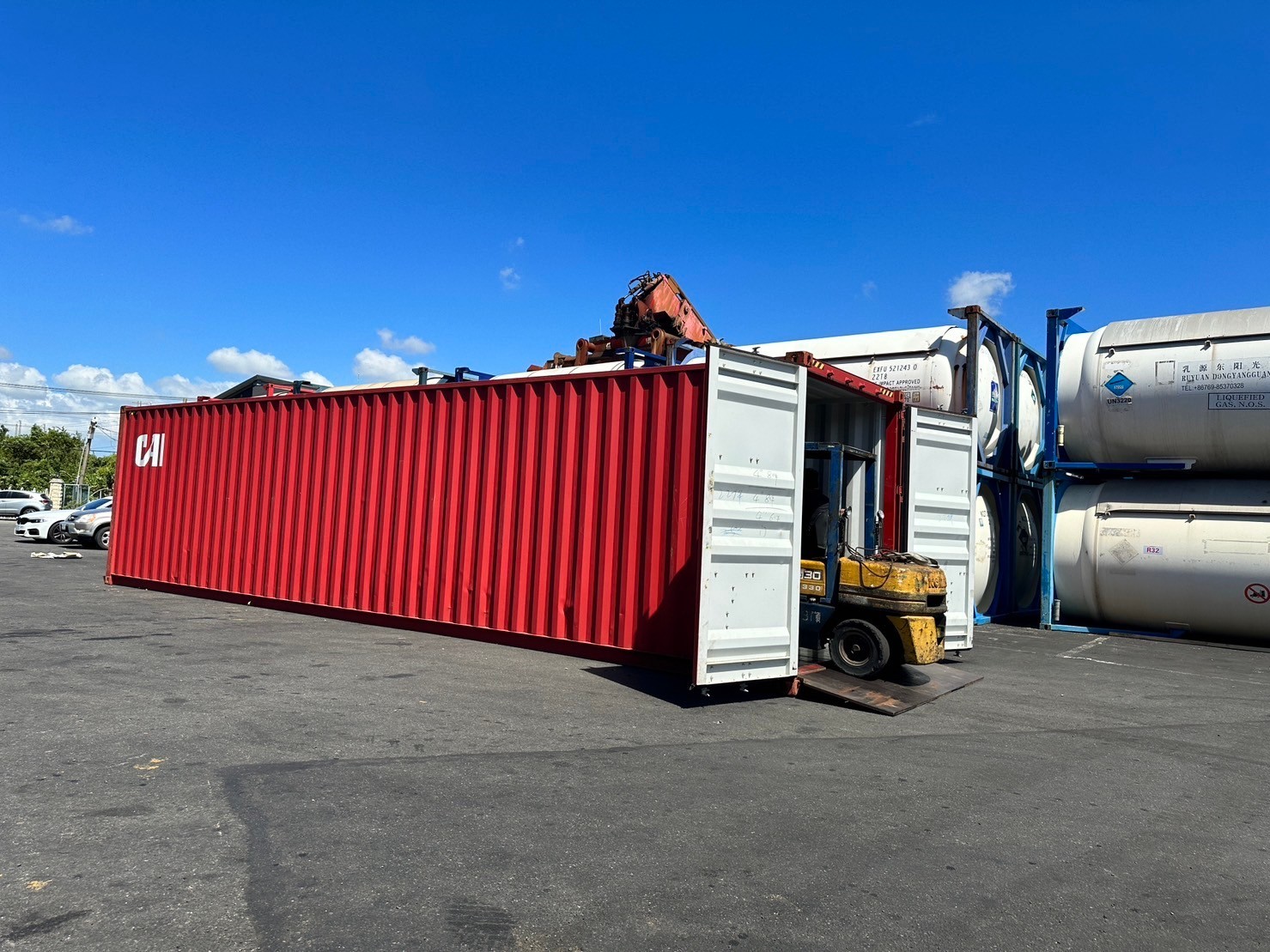
The container loading and unloading process refers to all the operations involved in loading cargo into containers and unloading it during the journey from the supplier to the final destination.
This process can be divided into several key steps, and each step can be optimized to improve overall logistics efficiency:
1. Step One: Cargo Preparation and Inspection
- Process:
Before the cargo is loaded into a container, the supplier will package the goods and confirm their quantity and condition. When necessary, inspections are carried out to ensure the cargo meets the requirements for loading and transport.
- Optimization:
Using automated inspection and recording systems can speed up the preparation stage and reduce human error.
2. Step Two: Container Allocation
- Process:
The freight company allocates suitable containers based on the type, size, and destination of the cargo. This includes choosing appropriate 20-foot or 40-foot containers and ensuring the containers are clean and suitable for the cargo.
- Optimization:
Implementing a container management system helps optimize container allocation and scheduling, ensuring each container is used efficiently.
3. Step Three: Cargo Loading
- Process:
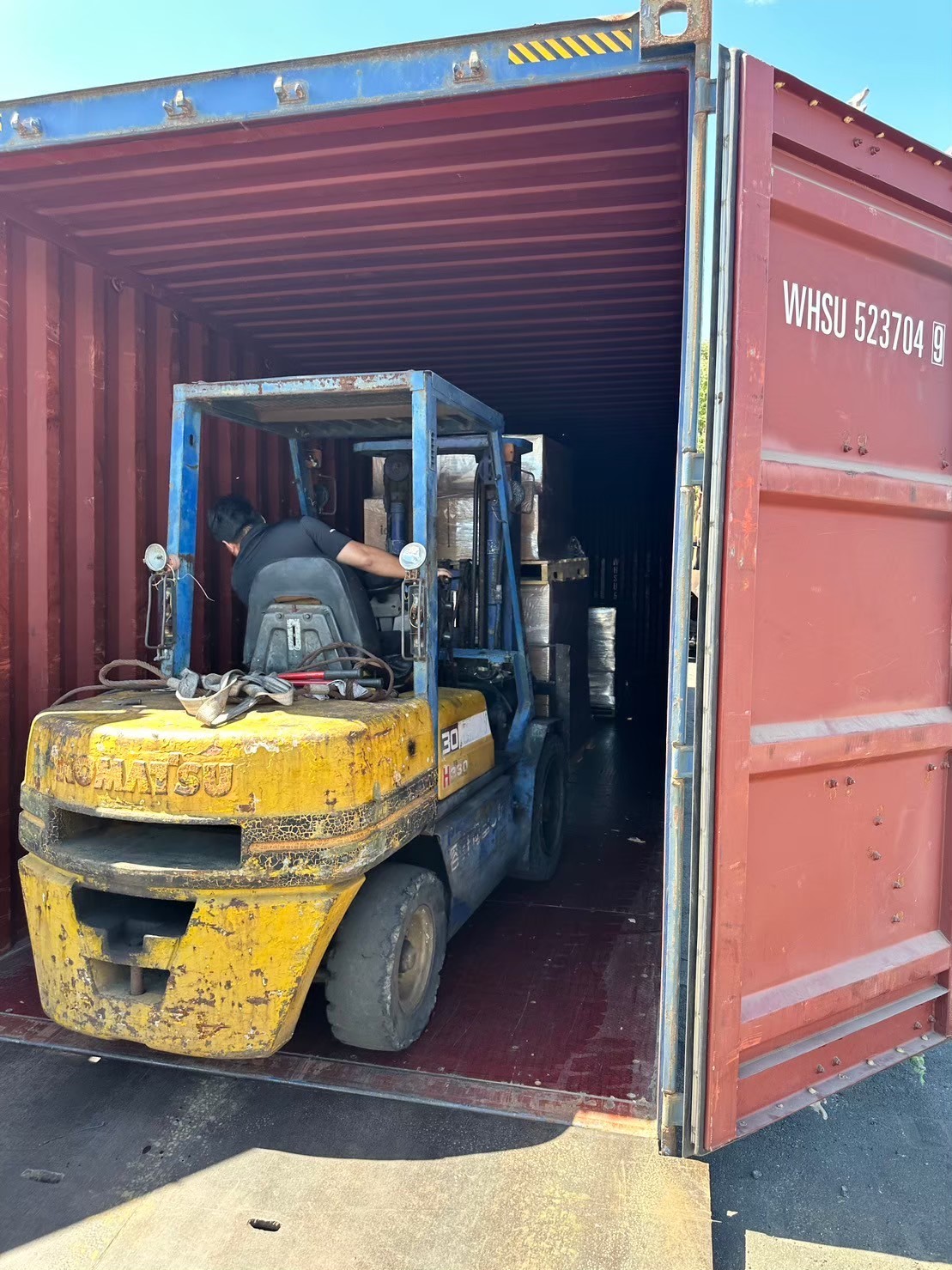
The cargo is systematically loaded into the container to maximize space utilization and ensure the cargo remains safe and stable during transport. Forklifts or other loading equipment may be used, and the cargo is secured according to its characteristics.
- Optimization:
Applying advanced cargo stacking methods and using professional loading tools can improve space utilization and shorten loading time.
4. Step Four: Container Sealing
- Process:
After loading is completed, the container is closed and sealed to ensure safety during transport. Each container is secured with a unique seal number for identification and tracking.
- Optimization:
Using electronic seals and tracking systems enables real-time monitoring of container status, improving security and traceability.
5. Step Five: Container Transportation
- Process:
Once sealed, the container is transported to a port or freight terminal, and then shipped via vessel, rail, or truck to its final destination. Depending on the transport mode, containers may need to be transshipped or reloaded during the journey.
- Optimization:
Combining intermodal transport strategies with intelligent transport systems can reduce transfer time and enhance overall transport efficiency.
6. Step Six: Container Unloading
- Process:
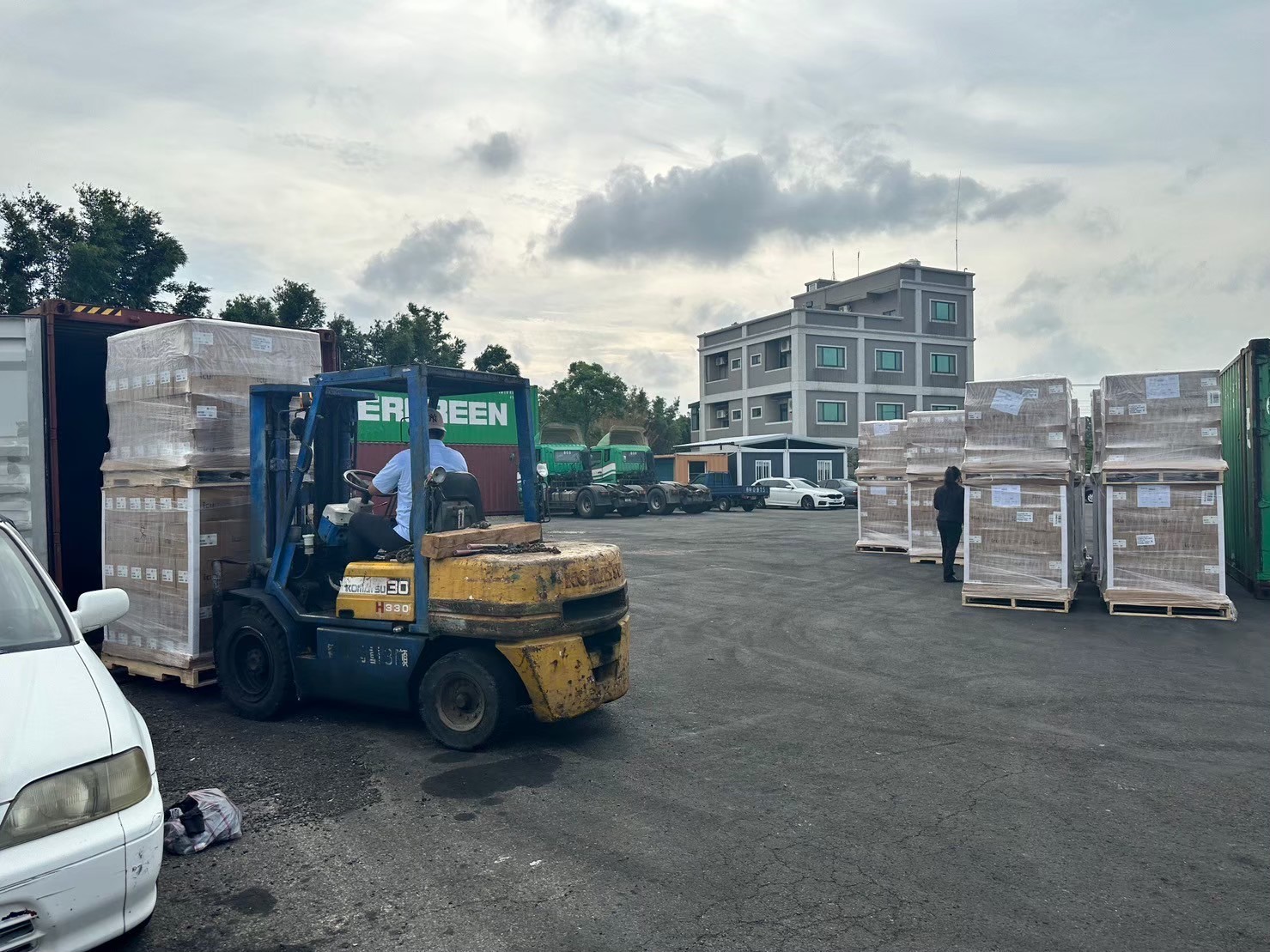
When the container arrives at its destination, it is unloaded at a designated freight terminal or warehouse. The unloading process is essentially the reverse of loading and must be handled carefully to avoid cargo damage.
- Optimization:
Using automated unloading equipment and optimized process workflows can reduce unloading time and improve operational safety.
7. Step Seven: Cargo Delivery and Inspection
- Process:
After the cargo is unloaded from the container, it is delivered to the final consignee. The receiver inspects the cargo to confirm its condition and quantity. Once verified, the goods are formally handed over.
- Optimization:
Adopting smart logistics systems for real-time tracking and digital inspection reports can improve delivery efficiency and reduce disputes.
8. Step Eight: Empty Container Handling
- Process:
After unloading is complete, the empty container is returned to the shipping line, freight company, or leasing company for cleaning and maintenance, and is then prepared for the next deployment.
- Optimization:
Implementing centralized cleaning and maintenance programs can increase empty container turnover, shorten idle time, and reduce overall operating costs.
Related Topics & FAQs
- What Is the Difference Between 40-Foot and 20-Foot Containers?
- Common Shipping Terms and Abbreviations in English and Chinese
- Key Safety Considerations and Characteristics of Dangerous Goods Transportation
- What Is Dangerous Goods Transportation?
- Dangerous Goods Classification and Hazard Labels
- What Is TEU? The Meaning of Twenty-foot Equivalent Unit in Container Shipping